Deck Repair in Virginia Beach — What It Costs and What to Expect in 2026

Virginia Beach's coastal climate is beautiful — and relentless on outdoor wood. Salt air, persistent humidity, intense summer UV, and the occasional nor'easter combine to age a deck faster here than almost anywhere on the East Coast. If your deck is showing its age, here's what repair actually costs in 2026, what problems are worth fixing, and when it makes more sense to start fresh.
Deck Repair Cost in Virginia Beach — Quick Answer
| Repair Type | Typical Cost Range |
|---|---|
| Single board replacement (1–5 boards) | $150 – $350 |
| Partial re-decking (25–50% of surface) | $600 – $1,500 |
| Full re-decking (surface boards only, frame intact) | $1,500 – $3,500 |
| Railing repair or replacement (per section) | $200 – $600 |
| Post and beam structural repair | $400 – $1,200 |
| Deck sealing and staining | $350 – $750 |
| Storm damage assessment and repair | $300 – $2,000+ |
These figures cover labor and materials for standard pressure-treated wood. Composite decking materials run 2–3x more but require far less maintenance long-term.
The Most Common Deck Problems in Virginia Beach
Wood Rot
The number one deck killer on the coast. Rot sets in when moisture gets trapped in wood fibers and doesn't dry out — a near-constant condition in Virginia Beach's 70–80% relative humidity. It's most common at:
- End cuts where the wood grain is exposed and absorbs moisture like a sponge
- Where boards meet joists underneath — water pools there and never fully evaporates
- Ledger boards where the deck attaches to the house — the most structurally critical piece and the most prone to hidden rot
Soft spots underfoot, wood that crumbles when pressed with a screwdriver, and dark discoloration all indicate rot. Caught early, it's a board-replacement job. Ignored, it spreads to structural members and the bill multiplies fast.
Corroded Fasteners
In neighborhoods within a few miles of the water — the Oceanfront, Shore Drive, Chesapeake Beach, Great Neck, and Sandbridge — salt air corrodes fasteners dramatically faster than inland. Standard galvanized screws and joist hangers that would last 15–20 years in Kempsville or the Courthouse area may show heavy rust in 5–7 years near the coast. Corroded fasteners lose grip strength, which is a structural issue, not just cosmetic. Boards pulling up at fastener points or joist hangers showing orange pitting need attention.
Warped and Cracked Boards
Virginia Beach summers regularly hit 90–95°F. Combined with high moisture content, pressure-treated lumber expands, contracts, and eventually cups or splits. Boards installed green (high moisture content, as most pressure-treated lumber is) often cup upward over time and trap standing water underneath — accelerating the rot cycle they were supposed to resist.
Loose or Deteriorated Railings
Deck railing failures cause more deck-related injuries than any other issue. Railings that wiggle, posts that rock at their base, or balusters showing rot at the bottom need attention before they become a liability. Virginia Beach's occasional winter freezes can crack deteriorated wood post bases and loosen the hardware that anchors posts to the deck frame.
Storm and Hurricane Damage
Hurricane season runs June through November in Virginia Beach. High winds create uplift pressure that stresses ledger connections, post anchors, and railing attachments in ways that aren't always visible from the surface. After any significant storm, inspect the ledger board connection to the house, the post bases, and the joist hangers underneath before the next season of heavy use.
Why Virginia Beach Decks Age Faster
A pressure-treated wood deck in Virginia Beach has a realistic service life of 10–15 years with regular maintenance. Inland, the same deck might last 20–25 years. The difference is the coastal climate:
- Salt air penetrates wood finishes faster and corrodes metal hardware
- Humidity means wood rarely fully dries out between rain events, promoting rot
- UV intensity at the coast degrades surface sealers faster than in shaded inland settings
- Wind-driven rain during storm season pushes water into joints that normally stay dry
This isn't a reason to avoid having a deck. It's a reason to maintain it properly and address problems when they appear — not six months later.
What Affects Deck Repair Cost
Extent of damage is the primary driver. Replacing 4–5 surface boards is a half-day job. Discovering that rot has spread to the joists underneath turns it into a multi-day structural project.
Material choice matters significantly for re-decking. Standard pressure-treated lumber is the most cost-effective upfront but requires sealing every 12–18 months in Virginia Beach's climate. Composite decking (Trex, TimberTech, and similar) costs 2–3x more for materials but is virtually rot-proof, doesn't require sealing, and holds up to salt air and humidity far better over a 25+ year lifespan. For homes close to the water, the long-term math often favors composite.
Structural vs. surface repairs — replacing surface boards is straightforward. Any work involving ledger boards, posts, beams, or joist framing is more complex, may require a permit depending on scope, and needs careful assessment before pricing.
Deck height and access — a ground-level deck is simpler to work on than an elevated second-story deck. Elevated decks require more safety setup and increase labor time.
Repair vs. Replace — How to Decide
A useful rule of thumb: if the structural frame — ledger, posts, beams, and joists — is sound, repair is almost always worth it. Re-decking the surface is a fraction of the cost of a full rebuild. If the structural members have rot, the scope grows substantially and the math shifts toward full replacement.
Questions to ask:
- Are the posts and beams solid? (Probe with a screwdriver — rot will be obvious)
- Is the ledger connection to the house secure and rot-free?
- Are the joist hangers solid, or showing heavy corrosion?
- Is more than 40% of the surface decking compromised?
If the frame has issues and more than 40% of the surface needs replacing, a full rebuild is worth serious consideration — especially if you'd choose composite material to reduce future maintenance costs near the coast.
Our Deck Inspection and Repair Process
1. Visual and probe inspection — we walk the surface, check for soft spots, inspect all visible hardware, and look at the ledger and framing underneath
2. Scope assessment — we identify exactly what needs repair vs. what's structurally sound
3. Written flat-rate estimate — broken out clearly so you know what you're paying for
4. Material sourcing — the right lumber grade or composite material for the repair type
5. Repair work — surface boards, railing, hardware, or structural work as scoped
6. Final walkthrough — we walk the completed work with you before leaving
For larger jobs, we can schedule a free on-site assessment first. For straightforward repairs like a few boards or a railing section, we can often quote accurately based on photos and description.
Seasonal Deck Maintenance for Virginia Beach Homeowners
Spring (March–May): The best window for repairs and re-sealing. Moderate temperatures, lower humidity than summer, and you catch any winter damage before peak use. This is when we get the most deck calls — book early.
Summer (June–August): High demand for emergency repairs and storm damage response. Sealers applied in summer need 48–72 hours of dry weather after application due to humidity.
Fall (September–November): A good repair window before winter. Post-hurricane season inspection is worthwhile — check fasteners and connections for any storm movement.
Winter (December–February): Limited repair window, but a good time to assess what needs addressing in spring. Freeze events — uncommon in Virginia Beach but real — can crack deteriorated wood and loosen hardware.
Frequently Asked Questions
Q: How much does it cost to repair a few deck boards in Virginia Beach?
A: For 1–5 boards on a standard pressure-treated deck, expect $150–$350 all-in — labor, new decking boards, and fasteners. If the boards are covering rot in the joists underneath, costs increase once we open it up and assess the extent.
Q: Do I need a permit for deck repair in Virginia Beach?
A: Replacing like-for-like surface boards and railings typically does not require a permit. Structural repairs involving ledger boards, posts, or beams may require a permit depending on scope. We'll tell you upfront if your project needs one.
Q: How often should I seal my deck in Virginia Beach?
A: Every 12–18 months for pressure-treated wood in Virginia Beach. Inland, you might get 2–3 years out of a sealer — coastal humidity and UV degrade it faster here. A simple water test tells you when it's time: if water soaks in rather than beading up, it's time to reseal.
Q: What's the best decking material for Virginia Beach's coastal climate?
A: For new decks or full replacements near the water, composite decking is the best long-term investment. It doesn't rot, doesn't require annual sealing, and resists the salt air and UV that destroy wood finishes near the coast. For homes further from the water, pressure-treated wood properly maintained is a solid, cost-effective choice.
Q: Can you repair a deck with wood rot?
A: Yes, depending on where the rot is and how extensive. Surface board rot is straightforward — remove the affected boards, check the joists underneath, replace what's needed. Rot in structural members like posts, beams, or the ledger board is a more significant repair and needs honest assessment. We'll tell you when replacement makes more financial sense than repair.
Q: Do you handle emergency deck repairs after storms?
A: Yes. After a significant storm we're available for emergency assessments and urgent structural repairs throughout Virginia Beach. Call (877) 478-2959 for same-day availability during storm season.
Got a deck that needs attention before summer? Call (877) 478-2959 or request your free estimate online. We serve homeowners throughout Virginia Beach — from Kempsville and Great Neck to Sandbridge, the Oceanfront, and everywhere in between.
Related Pages
Related Services
Need a Virginia Beach Handyman?
Handyman Virginia Beach VA — licensed, insured, flat-rate pricing. Call for a free estimate today.
More From the Blog
How Much Does Drywall Repair Cost in Virginia Beach? (2026 Guide)
Small patch or major water damage — here's exactly what drywall repair costs in Virginia Beach in 2026, with real pricing ranges from a local handyman company.
Handyman vs. Contractor in Virginia Beach: Who Should You Hire?
Confused about whether your project needs a handyman or a general contractor? Here's how Virginia Beach homeowners should think about this decision — and the questions to ask before you hire.
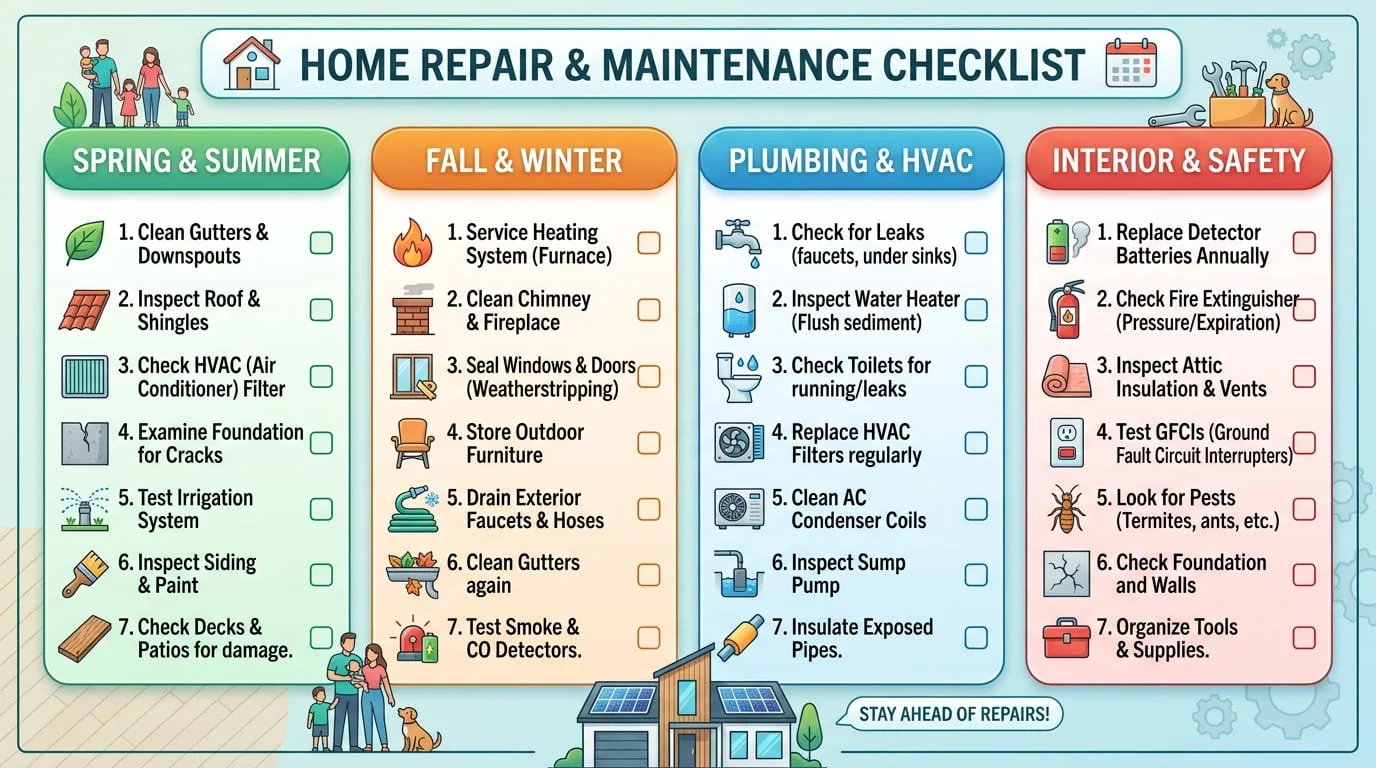
Virginia Beach Home Repair Checklist — Seasonal Maintenance for Coastal Homes
Virginia Beach homes face unique maintenance challenges from salt air, humidity, and coastal storms. This seasonal checklist covers what to inspect, repair, and maintain every quarter to protect your home's value.
Get a Free Estimate
Fast response · No obligation · Flat-rate pricing
Need Professional Help?
Free estimates on all handyman services. Licensed & insured in Virginia.
(877) 478-2959Why Handyman Virginia Beach VA?
- Licensed & Insured in VA
- Highly Rated Service
- Flat-Rate Estimates
- Same-Day Service Available
- Serving All of Hampton Roads