Virginia Beach Home Repair Checklist — Seasonal Maintenance for Coastal Homes
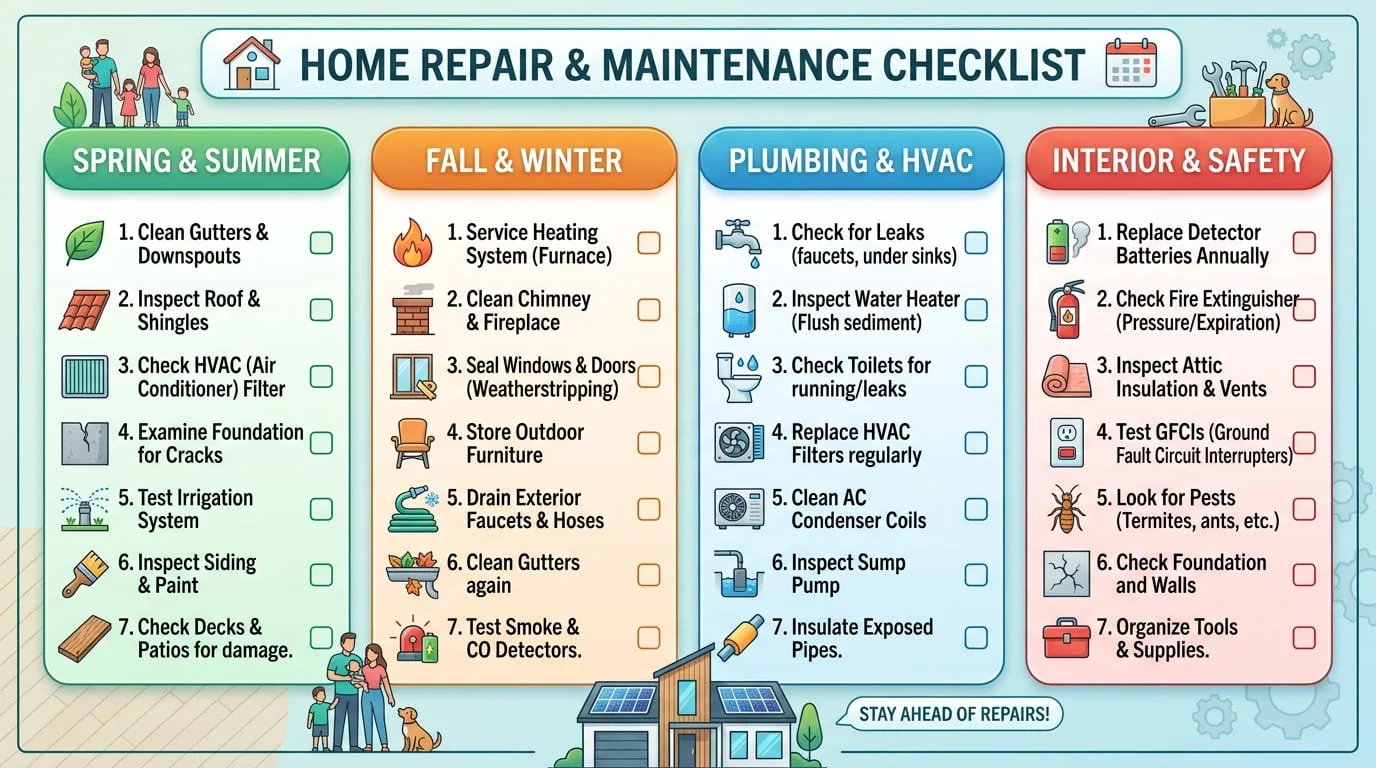
Virginia Beach homeowners deal with a set of maintenance challenges that inland Virginia homeowners don't — and your maintenance checklist needs to reflect that. Salt air, coastal humidity, intense UV exposure, and seasonal storm threats all accelerate the deterioration of home materials in ways that standard home maintenance guides don't account for.
This checklist is built specifically for Virginia Beach conditions, organized by season, with the coastal-specific items that matter most for homes in our area.
Why Coastal Homes Need More Attention
Before diving into the checklist, it helps to understand why Virginia Beach homes deteriorate faster than similar homes 50 miles inland:
Salt air — Sodium chloride particles carried by ocean and bay breezes corrode metal hardware, eat through paint finishes, degrade caulk, and accelerate rust on gutters, railings, and HVAC equipment. The closer your home is to open water, the faster this happens. Oceanfront properties may need exterior paint touched up every 3–4 years vs. every 7–10 years for inland homes.
Humidity — Hampton Roads ranks among the most humid regions in the eastern United States. This persistent humidity causes wood to swell and contract seasonally (leading to sticking doors and popped drywall nails), promotes mold growth in attics and crawlspaces, and degrades adhesives, caulk, and weatherstripping faster than in drier climates.
Storm exposure — Hurricane season runs June through November and nor'easter season peaks in late fall and winter. Flying debris, strong winds, and heavy rain events put every exterior surface of a Virginia Beach home under stress regularly.
UV intensity — Coastal sun, amplified by reflection off sand and water, degrades paint, deck stains, and exterior materials faster than it does in shaded or inland areas.
Spring Maintenance Checklist (March–May)
Spring is the most important maintenance season for Virginia Beach homes — you're assessing storm damage from winter, preparing for the long humid summer ahead, and catching any moisture damage before heat and humidity amplify it.
Exterior
- [ ] Inspect the roof after winter storms — look for missing or damaged shingles, lifted flashing around chimney, vents, and skylights. Binocular inspection from the ground is fine for most homeowners; if you see damage, call a roofer.
- [ ] Check gutters and downspouts — reattach any sections that pulled away from the fascia over winter. Flush with a hose to confirm proper slope and flow. Check for holes, rust, or cracked seams.
- [ ] Inspect exterior caulk around windows, doors, and where siding meets trim. Coastal sun and temperature swings cause caulk to crack, shrink, and pull away. Replace any failing sections before spring rain season.
- [ ] Check your deck — walk every board and push down firmly; soft spots indicate rot. Inspect railings for stability (grab and shake each post; any movement is a safety concern). Check the ledger board connection to the house.
- [ ] Inspect fences for posts pushed out of plumb by winter ground movement, and for boards or panels damaged by winter storms.
- [ ] Pressure wash exterior surfaces — siding, driveway, walkways, deck, and fences. Remove the salt, mold, mildew, and algae that accumulated over winter and spring. This is one of the most cost-effective maintenance steps for Virginia Beach homes.
- [ ] HVAC exterior unit — clean debris from around the unit, check for storm damage to the fins, and schedule a pre-season AC inspection before the first hot days.
Interior
- [ ] Check crawlspace or basement for moisture, standing water, or evidence of pest activity after winter. Virginia Beach's high water table means crawlspace moisture is a persistent issue.
- [ ] Inspect attic for evidence of winter leak damage — staining on rafters or sheathing indicates a roof penetration issue. Also check attic ventilation — blocked vents cause summer heat buildup and accelerate shingle deterioration.
- [ ] Test smoke and CO detectors — replace batteries. Virginia Beach fire safety standards require working detectors on every level and in each sleeping area.
- [ ] Check plumbing under all sinks for evidence of slow leaks — a simple check that catches problems before they cause drywall damage.
Summer Maintenance Checklist (June–August)
Virginia Beach summer brings the longest AC running season, peak humidity, and hurricane season. The focus is on keeping cooling systems efficient and preparing for storm season.
Storm Preparation
- [ ] Review your hurricane plan — know where your utility shutoffs are (water main, gas, electrical panel).
- [ ] Clear gutters of any debris before hurricane season gets active. Clogged gutters during heavy rain events can cause significant water damage.
- [ ] Inspect and secure loose outdoor items — furniture, planters, and unsecured decorative items become projectiles in high winds.
- [ ] Check exterior door and window weather seals — replace any weatherstripping that's flattened or missing. This matters for both storm protection and energy efficiency during peak AC season.
- [ ] Test your sump pump if you have one — pour a bucket of water into the pit to confirm it activates. The time to find out your pump has failed is not during a hurricane.
Comfort and Efficiency
- [ ] Change HVAC filters — in Virginia Beach's high-pollen, high-humidity environment, filters should be changed every 30–60 days during active AC season.
- [ ] Check ceiling fans — make sure fans are on the "summer" setting (counterclockwise blade rotation when viewed from below) to create a downdraft and wind-chill effect. If your fan wobbles, schedule a repair or replacement.
- [ ] Check window AC units if applicable — clean filters, ensure proper drainage, and confirm the unit is sealed tightly in the window to prevent air infiltration.
Fall Maintenance Checklist (September–November)
Fall is critical for two reasons: wrapping up hurricane season preparedness and preparing for winter. In Virginia Beach, true winter cold is brief but intense, and homes that aren't prepped will show it.
Post-Hurricane Season
- [ ] Walk the entire exterior after any storm — check for damaged siding, missing caulk, shifted gutters, storm damage to decks and fences.
- [ ] Schedule roof inspection if you had any major storms pass nearby — even storms that didn't cause obvious damage can loosen flashing or lift shingles that then fail in winter rain.
Winter Prep
- [ ] Clean and flush gutters after leaf fall is complete (typically late November for Virginia Beach). A full gutter going into winter rain season causes ice damming potential and fascia damage.
- [ ] Inspect weatherstripping on all exterior doors — replace if compressed flat. Cold drafts in Virginia Beach winters are manageable, but they spike heating bills unnecessarily.
- [ ] Check exterior water faucets and pipes — Virginia Beach occasionally gets hard freezes. Know where your exterior faucet shutoffs are, and consider foam covers for hose bibs.
- [ ] Seal gaps around pipe penetrations — check where pipes, wires, and ducts enter the house from outside. These gaps let in cold air, pests, and moisture. Caulk and foam seal as needed.
- [ ] Deck and fence final inspection before winter — salt air damage and any missed summer storm damage is easier to assess and repair in fall before cold weather makes it harder to work.
Winter Maintenance Checklist (December–February)
Virginia Beach winters are mild compared to most of Virginia, but cold snaps do occur. The focus is on monitoring, emergency readiness, and interior maintenance.
Cold Snap Readiness
- [ ] Know your pipe locations — in Virginia Beach, homes with crawlspaces or uninsulated garages can have pipes in vulnerable locations. Know where your water main shutoff is.
- [ ] Check under-sink cabinet insulation — exterior wall sink cabinets (especially kitchen sinks on exterior walls) are vulnerable to freezing. Leave cabinet doors open during sub-freezing nights if pipes are nearby.
Interior Maintenance
- [ ] Look for drywall nail or screw pops — winter's drier indoor air and thermal cycling causes more popping than summer. Mark and schedule repairs.
- [ ] Check window and door operation — winter is when wood shrinks and doors/windows that swelled shut in summer suddenly operate properly again. Note any that are still sticking or drafty for spring repair.
- [ ] Inspect under sinks after any storms for evidence of leak drips.
How Handyman Virginia Beach VA Can Help
Many of the items on this checklist — especially the actual repairs — are things our Virginia Beach handymen handle every week. If you walk through this list and come up with a collection of small repairs, that's exactly the kind of job we're built for: one visit to tackle multiple items efficiently.
Call (877) 478-2959 or request a free estimate online to schedule your seasonal maintenance work.
Frequently Asked Questions
Q: How often should I pressure wash my house in Virginia Beach?
A: Once a year is the standard recommendation for most Virginia Beach properties, before painting or staining season in spring. Oceanfront and bayside properties benefit from washing twice a year due to heavy salt deposit accumulation.
Q: What's the most commonly missed maintenance item for Virginia Beach homes?
A: Exterior caulk is the most consistently overlooked item. It fails faster in Virginia Beach's UV-intense, humid climate than anywhere else, and its failure allows water infiltration that leads to expensive drywall and framing damage. Check every caulk line on your exterior annually.
Q: Can I do most of this maintenance myself?
A: Many items on this list are DIY-friendly — filter changes, caulk application, gutter cleaning (with a ladder and safety awareness), and interior inspections. The repairs that are discovered during inspection — drywall patches, deck board replacement, gutter reattachment, weatherstripping installation — are where a handyman adds real value.
Related Pages
Related Services
Handyman Services
One call handles your entire home repair to-do list. Licensed, insured, and trusted by Virginia Beach homeowners.
Deck Repair
Safe, solid deck repair for Virginia Beach's coastal climate. Rotted boards, structural repairs, and refinishing.
Gutter Repair
Gutter repair, reattachment, and cleaning for Virginia Beach homes. Protect your foundation from water damage.
Pressure Washing
Professional pressure washing for driveways, decks, siding, and walkways. Remove mold, mildew, and salt air buildup.
Need a Virginia Beach Handyman?
Handyman Virginia Beach VA — licensed, insured, flat-rate pricing. Call for a free estimate today.
More From the Blog
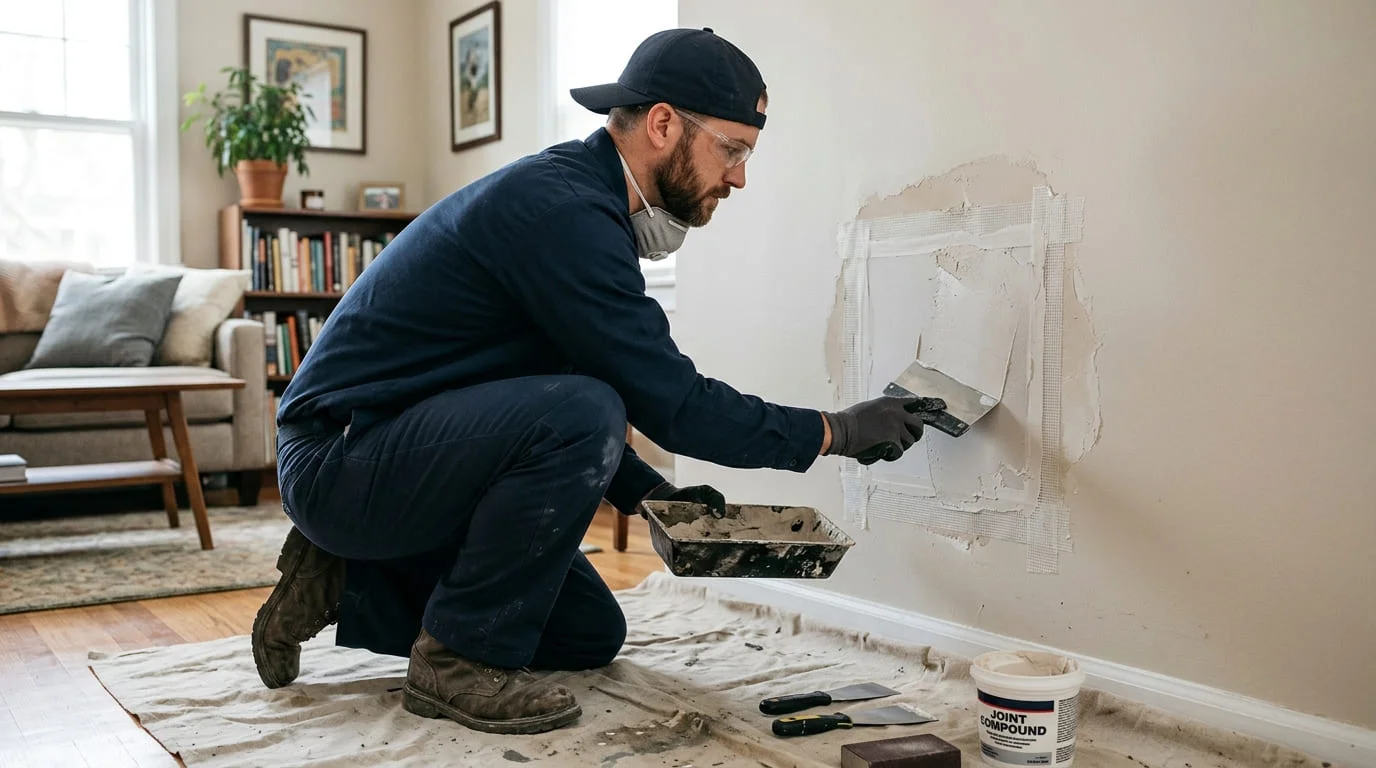
How Much Does Drywall Repair Cost in Virginia Beach? (2026 Guide)
Small patch or major water damage — here's exactly what drywall repair costs in Virginia Beach in 2026, with real pricing ranges from a local handyman company.

Handyman vs. Contractor in Virginia Beach: Who Should You Hire?
Confused about whether your project needs a handyman or a general contractor? Here's how Virginia Beach homeowners should think about this decision — and the questions to ask before you hire.

What Can a Handyman Do? A Complete Guide for Virginia Beach Homeowners
From drywall patching to ceiling fan installation, here's the full scope of what a licensed handyman can handle in Virginia Beach — and where the line is for licensed specialty trades.
Get a Free Estimate
Fast response · No obligation · Flat-rate pricing
Need Professional Help?
Free estimates on all handyman services. Licensed & insured in Virginia.
(877) 478-2959Why Handyman Virginia Beach VA?
- Licensed & Insured in VA
- Highly Rated Service
- Flat-Rate Estimates
- Same-Day Service Available
- Serving All of Hampton Roads